SHIPPED APP · 2026
Albers
What if 'interaction of color' was taken literally?
ROLE
Sole designer and developer. Concept, UI in Figma, built in SwiftUI with Claude Code.
THE GAP
Colour theory gets taught with static swatches. Albers turns each perceptual effect into an instrument you can push until it clicks. It shipped twice: native on macOS in SwiftUI, and as the web build below.
TAKING THE BRIEF LITERALLY
The brief said 'interaction of colours.' Most people went editorial; I kept catching on the word interaction. Albers's argument that colour has no fixed identity is a UI problem as much as an art one.
Interaction as a UI problem
Most responses to the brief went editorial. Albers's argument that colour has no fixed identity is as much an interface problem as an art one.
THE DECISION
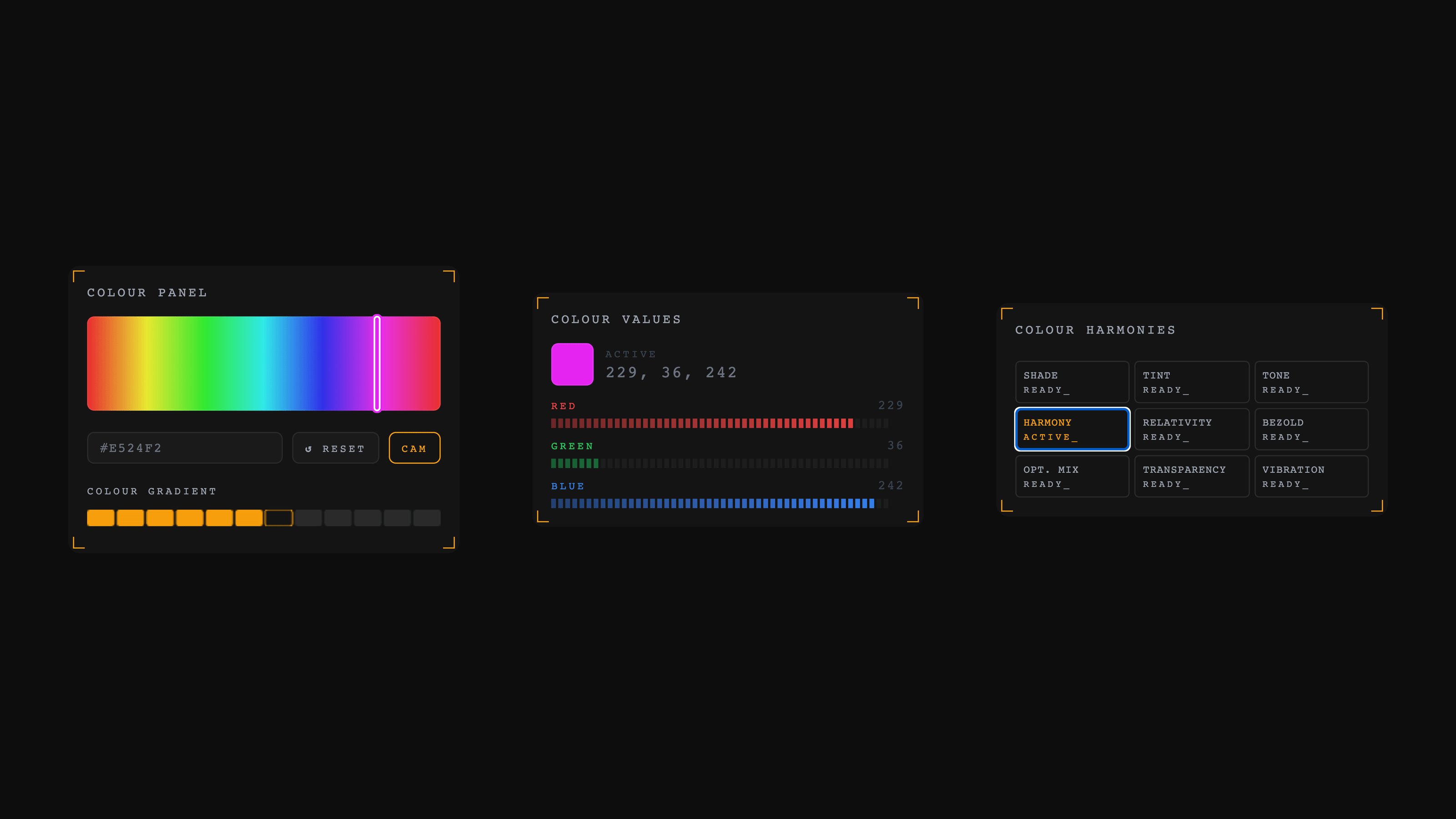
The first submission was a lean prototype. Spring break was the space to add modes, tighten the interaction model, and build an identity: an amber terminal HUD, borrowed from instruments that measure rather than create.
An amber terminal HUD
Borrowed from instruments that measure rather than create. Spring break was the space to add modes, tighten the interaction model, and build an identity.
- Nine modes
- SwiftUI + AppKit
- macOS 13+
- Web build
ITERATING INSIDE THE APP
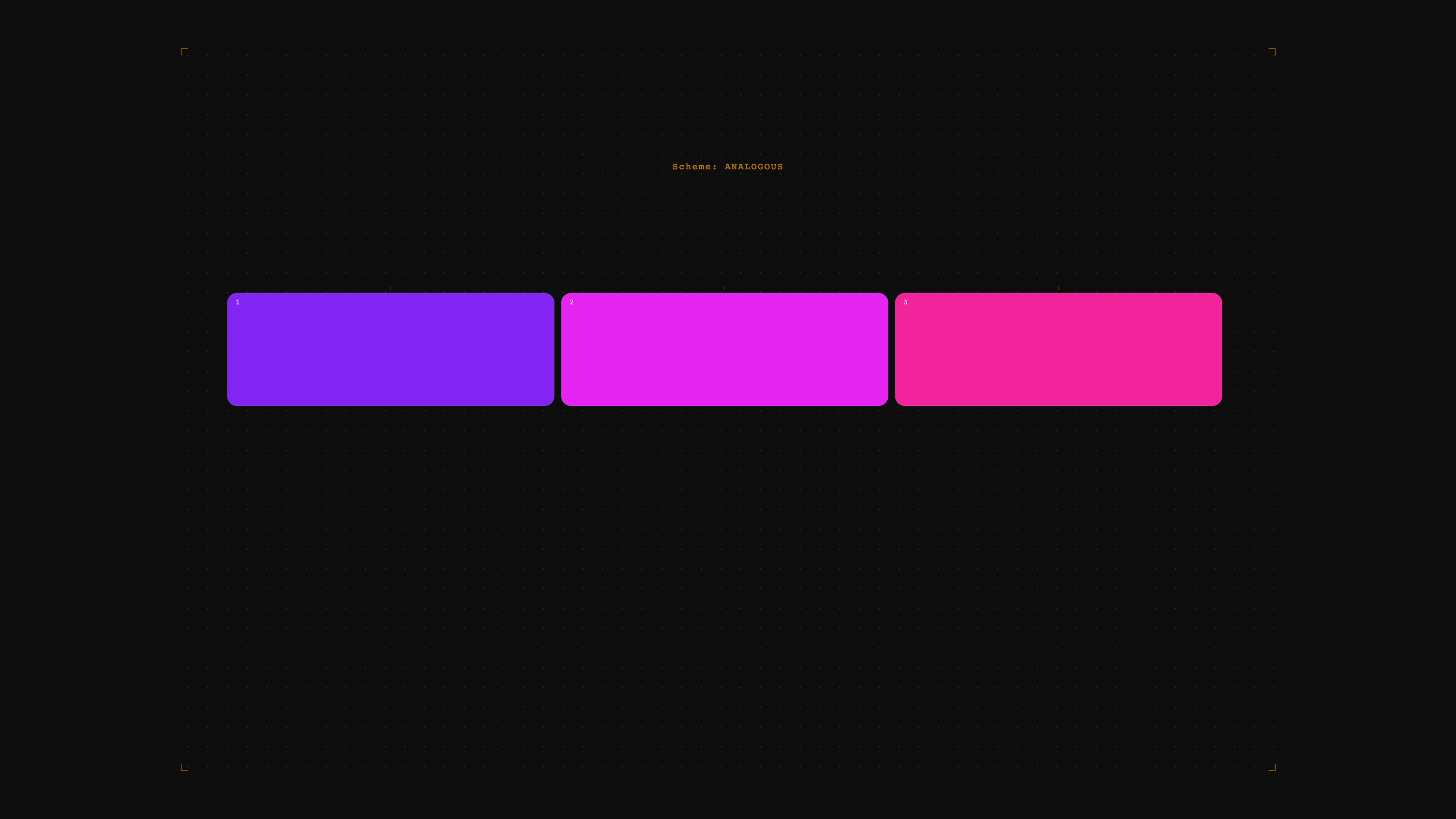
Figma set the visual direction, then iteration happened inside the app with Claude Code handling implementation while I focused on how the interaction should feel.
THE BUILD
Nine modes, each isolating one perceptual colour phenomenon with real-time controls. Built in SwiftUI with AppKit for macOS 13+.
WHAT STUCK